


Turo — Better car rental
4.977.71K Reviews
App Specs
- Version
- 26.29.1
- Updated On
- License
- Free
- Downloads
- 10,000,000+
- Developer
- Turo Inc.
- Categories
- Travel & Local
- Platform
- Android, iOS
Screenshots
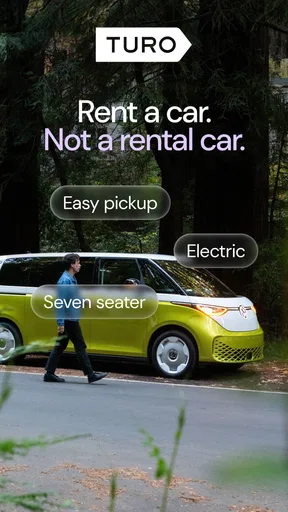
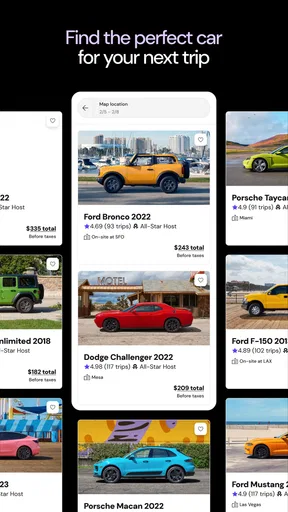
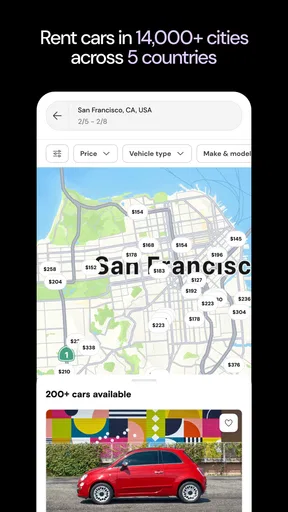
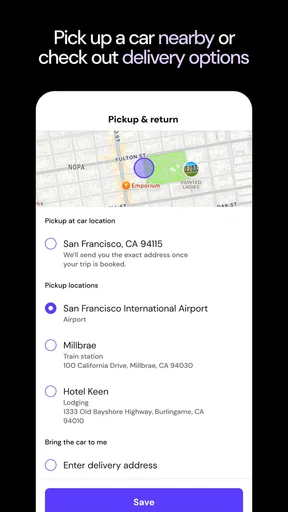

 Analysis by AppCompare
I’d go into Turo expecting a different way to arrange a rental, not a magic shortcut around planning. Instead of choosing from a standard fleet at a counter, you browse cars offered by individual hosts and decide which listing suits your trip. That extra choice can make an ordinary journey feel more tailored, but it also means I take a little more care comparing pickup details, vehicle descriptions, and the timing that works for me.
For a first-time user, the most reassuring approach is to treat the app as a planning tool before treating it as a booking button. I’d begin with the dates and area I actually need, then compare a few realistic options rather than falling for the first appealing car photo. The useful question is not simply “Which car looks best?” but “Which listing makes the whole trip easiest, from collecting the keys to returning the vehicle?”
Who will get the most from a car-sharing marketplace
I think this format makes particular sense when the car itself affects the trip: a visitor who wants room for luggage, a couple planning a scenic drive, or someone who needs a vehicle that feels more suited to a special occasion than a basic rental. It can also help when the pickup location or the choice of vehicle matters more than having a familiar rental-counter routine. The range of listings gives you more ways to match the vehicle to the day.
On the other hand, I would not choose a peer-to-peer marketplace automatically for every journey. If I needed the most predictable, standardized process possible, or could not be flexible about coordinating a handoff, I would compare a conventional rental company before committing. Turo’s choice is appealing, but individual listings and host arrangements are part of the experience, so it rewards a little attention rather than a last-second click.
Making the first booking feel straightforward
My practical first step would be to enter the destination and dates, narrow the search to cars I could genuinely use, and then read each promising listing all the way through. Photos help show the vehicle, but the description and pickup instructions are what help me picture the actual handover. If something important is unclear, asking the host before booking is more useful than making an assumption and hoping it works out later.
I’d also check the trip’s bookends before getting attached to a car: when and where pickup happens, how the return is arranged, and whether those details fit my arrival and departure plans. For example, after landing in a city, I would not assume that a host’s pickup arrangement automatically matches my flight time or terminal. A short message can help clarify the plan and avoid turning the first hour of a trip into a scramble.
Getting Started with Turo
So, here's how it works. First, you download the app, which is available for both Android and iOS. Setting up an account is a breeze; just enter your details, verify your license, and you’re good to go. The interface is super user-friendly, making it easy to navigate even if you’re not tech-savvy.
Worth Reading Before You Choose

Flipboard Shows What News Apps Must Do Beyond the Feed

Switching to Android Auto Means Rethinking Your Driving Routine

Google Calendar Makes a Crowded Week Easier to Manage

Ludo King Makes the Most of the Minutes Between Plans

Baby Panda World Brings Quick Play to Modern Phones, but Its Game Library Feels Busy

ESPN’s Live Game View Makes Following Close Games Easier
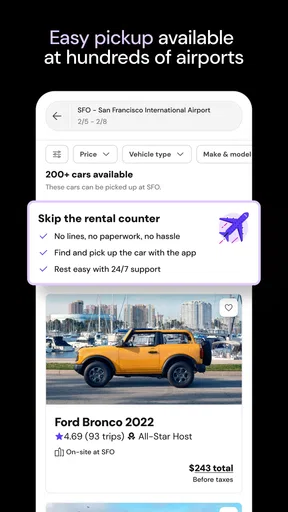
Once you're in, you'll be amazed at the variety of cars available. Whether you’re looking for a budget-friendly compact car or a luxury ride for a special occasion, Turo has got you covered. And the best part? You can filter your search by price, car type, location, and more, which makes finding the perfect ride a piece of cake.
The Booking Experience
Booking a car on Turo is as simple as tapping a few buttons. You’ll find detailed listings with photos, descriptions, and reviews from other users. It’s like shopping online but for cars! You can even communicate directly with the car owner to sort out any specifics or ask questions. Talk about convenience, right?
Payment is secure and straightforward, with options to pay directly through the app. And if plans change, Turo offers flexible cancellation policies, which is a huge plus.
For a concrete example, imagine arriving in a city for a weekend and staying somewhere that is not next to the airport. I’d search around the place I will actually be, compare pickup arrangements, and choose a car that fits the people and luggage on the trip, not just the one with the most striking photos. I’d send the host a concise question if the meeting point or return plan were unclear, then keep the booking details handy for the travel day. That small bit of preparation is the difference between a smooth first use and discovering a mismatch when I’m already tired.
One less obvious benefit of browsing this way is that the listing itself becomes part of the decision. Two cars in the same general class may still make very different trips depending on their described features, condition notes, and handoff instructions. I read reviews for patterns rather than treating one glowing comment as proof: repeated mentions of clear communication or an easy pickup are more useful to me than vague praise. Reviews can guide a choice, but they cannot replace checking the specific details for my dates.
Where marketplace convenience has limits
The trade-off is variability. A traditional rental desk usually aims to provide a standardized process and a vehicle from a familiar category; with a host-based marketplace, the individual car and the handover arrangement matter more. That can be a real advantage when a listing fits your plans unusually well, but it is less appealing if you want to arrive without having read instructions or contacted anyone. I would avoid choosing solely on the lowest displayed price, because convenience, location, and coordination are part of the value too.
It is also worth being realistic about availability. A car that looks ideal in a search is only useful if its dates and pickup terms match your itinerary. If your plans are still shifting, I’d compare the cancellation terms shown for the booking before paying rather than assuming every listing has the same flexibility. The app can help you find options, but it cannot make an inconvenient pickup point or a tight schedule convenient.
From browsing to the first successful trip
Once a booking is made, I’d keep the host conversation focused on practical points: the exact pickup arrangement, what to do if my arrival is delayed, and how the return should happen. This is not about overcomplicating the rental; it is about removing avoidable uncertainty while there is still time to adjust. I’d also read the listing again before pickup so that the plan I have in mind matches the host’s instructions.
At handoff, I would take a moment to check that the vehicle and the agreed arrangement match what I booked, rather than rushing straight into navigation. If anything seems different from the listing or the instructions, raising it promptly is easier than trying to reconstruct the issue later. This careful start is especially useful for a first booking, when the marketplace process may feel less familiar than collecting a car from a staffed counter.
For a day trip, I’d make the same kind of plan in reverse: think about where I need to be at the end, allow enough time for the return arrangement, and avoid scheduling the last leg so tightly that a small delay becomes stressful. The car may feel more personal than a standard rental, but it is still someone else’s vehicle and a shared arrangement. Treating the pickup and return as planned parts of the outing makes the freedom of having a car more enjoyable.
What the app is, and what it is not
Turo is a free travel and local app from Turo Inc. It has an average rating of about 4.9 from around 531,000 ratings, with roughly 10 million or more installs. It is rated for Everyone, and its current version is 25.50.1, with Android support starting at version 7.0. Those figures suggest it has reached a large audience, but I would still judge it by whether the available cars and host arrangements suit my particular trip.
It is not a substitute for deciding what kind of rental experience I want. If I value browsing distinct cars and coordinating directly with a host, the marketplace model is compelling. If my priority is a uniform process with minimal back-and-forth, a conventional rental provider may be a better fit. I see that as a practical distinction rather than a flaw: the right option depends on whether flexibility and choice outweigh the comfort of a familiar routine.
Useful habits for repeat trips
After a first successful booking, I would save the habits that made it work: search near the place I need the car, compare the full pickup and return plan, and message about details that could affect the day. Those steps are more valuable than browsing endlessly. A large selection can tempt you to keep looking for a theoretically perfect car, but once a listing fits the route, timing, and passengers, the practical match matters more than another round of scrolling.
I’d also use the app differently for different journeys. For a short local errand, convenience and pickup distance may outweigh getting a particular model. For a longer drive, I would spend more time reviewing the listing and planning the handoff because a mismatch has more impact over a full day on the road. For an occasion where the car is part of the experience, the distinctive choice may be worth extra coordination. Thinking about the trip first keeps the search focused.
If you are comparing Turo with taxis or rideshare services, the key difference is that you take responsibility for the driving and the rental arrangement rather than requesting a ride for each leg. That can make sense when you have several stops or want to explore beyond a central area, but it is not automatically cheaper or easier for a short journey where parking and pickup would be needless work. I’d compare the shape of the day, not just the vehicle options.
A sensible choice for the right kind of traveler
Since its release on September 14, 2014, Turo has been focused on a model that gives travelers a way to choose among cars offered through a marketplace. I like that this can make a rental feel more personal and better matched to a trip than selecting from a narrow standard category. I also think first-timers should remember that choice brings responsibility: read closely, ask clear questions, and leave enough room in the schedule for the handoff.
My recommendation is to try it when you have a clear reason to rent a car and enough time to compare the listing details. It is especially appealing for travelers who care about the type of vehicle, a particular pickup arrangement, or having a car for a day with multiple stops. If you want the least coordination possible, or your plans are too uncertain to settle on dates and logistics, compare other ways of getting around before booking. A little preparation is what turns the app’s variety into a genuinely useful first trip.
The Booking Experience
Booking a car on Turo is as simple as tapping a few buttons. You’ll find detailed listings with photos, descriptions, and reviews from other users. It’s like shopping online but for cars! You can even communicate directly with the car owner to sort out any specifics or ask questions. Talk about convenience, right?
Payment is secure and straightforward, with options to pay directly through the app. And if plans change, Turo offers flexible cancellation policies, which is a huge plus.
Hitting the Road
Picking up your car is a smooth process. Depending on the host, you might meet them in person, or they might offer a contactless pickup option. It’s all about making your experience as seamless as possible. Once you’re behind the wheel, it really feels like the car is yours, which is a nice departure from the usual rental car vibe.
And hey, if you’re someone who loves to explore off the beaten path, Turo has you covered with roadside assistance. So, you can drive with peace of mind knowing you’re in good hands.
Final Thoughts
In a nutshell, Turo is a game-changer for anyone looking to rent a car without the typical hassles. It’s all about ease, flexibility, and choice. Whether you're planning a road trip, need a temporary ride, or just want to try out a different set of wheels, Turo is definitely worth checking out. Plus, it’s always fun to see what unique cars people have to offer.
So, next time you need a ride, skip the rental counter and give Turo a spin. You might just find your new favorite way to hit the road!
Pros
- Wide selection of vehicles available.
- Easy to use interface with smooth navigation.
- Flexible rental durations to suit needs.
- Often cheaper than traditional car rentals.
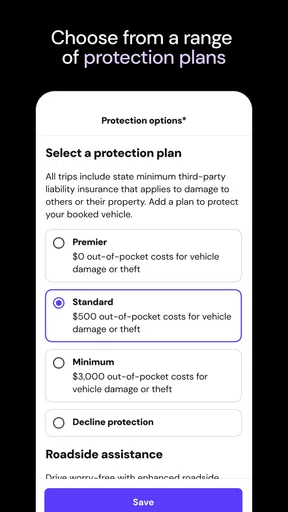
- Comprehensive insurance options offered.
Cons
- Availability varies by location.
- Some hosts may have strict policies.
- Additional fees can add up quickly.
- Requires a thorough vetting process.
- Limited customer support response times.
FAQs for Turo — Better car rental
What is Turo and how does it work?
Turo is a peer-to-peer car-sharing marketplace that connects car owners with people who need to rent a vehicle. Users can browse a variety of cars and book them directly through the app. Once booked, you coordinate with the car owner for pickup or delivery. It's like Airbnb for cars.
Is Turo available in my area?
Turo is available in many locations across the United States, Canada, and the United Kingdom. To check availability in your area, simply download the app and enter your location. The app will then display a list of available cars nearby, allowing you to see if Turo operates in your region.
What are the requirements to rent a car on Turo?
To rent a car on Turo, you must be at least 18 years old in the U.S. and meet specific age requirements in other countries. You also need a valid driver’s license and a verified Turo account. Additional requirements, such as a clean driving record, may apply based on the car owner’s preferences.
How does Turo ensure the safety and condition of the vehicles?
Turo provides a comprehensive screening process for hosts and offers insurance coverage options for both hosts and guests. Hosts are responsible for maintaining their vehicles in good condition and must adhere to Turo’s standards. Guests can read reviews and ratings to ensure the quality and reliability of the vehicle.
What should I do if I encounter an issue with my rental on Turo?
If you experience any issues with your rental, contact Turo’s customer support through the app for assistance. They are available to help with problems such as vehicle condition, insurance claims, or disputes with the host. Turo aims to resolve issues quickly to ensure a smooth rental experience.


